how to choose the right barcode format for your business
In today's fast-paced retail and logistics environments, choosing the correct barcode format is crucial for efficiency and accuracy. As of 2026, several barcode types are available, each suited for different applications. This guide will help you navigate the options and select the best barcode format for your needs.
Understand Your Business Requirements
The first step in selecting a barcode format is to assess your business requirements. Consider the products you sell, the inventory management system you use, and how your customers interact with your barcodes. For example, if you are selling a wide range of products, a barcode format that supports variable lengths, such as Universal Product Code (UPC) or European Article Number (EAN), might be suitable.
Types of Barcode Formats
There are two main categories of barcodes: one-dimensional (1D) and two-dimensional (2D). One-dimensional barcodes, like UPC and Code 39, encode data in a series of vertical lines and spaces. These are ideal for retail products where quick scanning is needed. On the other hand, two-dimensional barcodes, such as QR Codes and Data Matrix, can store much more information, including URLs and contact details. If your business involves complex data, a 2D barcode may be the better option.
People Also Look For:
- Direct Thermal Shipping Labels, 100 x 150 mm, 500 Pack, White
- Tamper Proof Barcode Stickers - 7 Pack Sizes
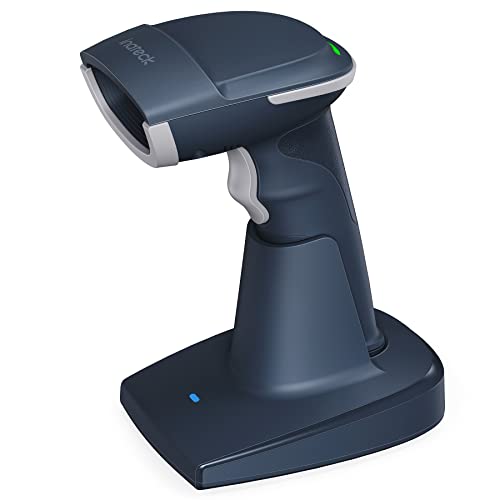
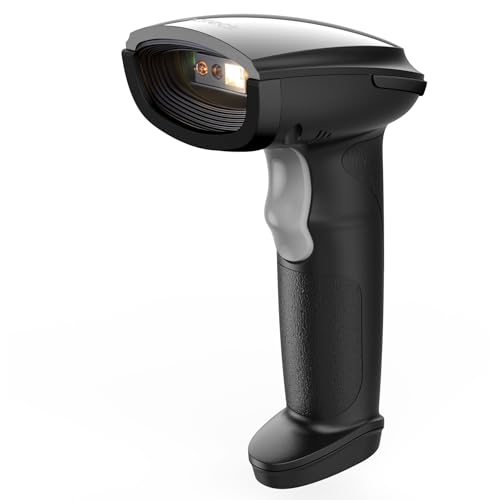
- Wireless Handheld Barcode Scanner - 2.4G USB Reader for Inventory
- 2D QR Barcode Scanner, Wireless USB Wired Handheld Reader for Barcodes
- Rcniso Barcode Scanner with Voice Announcement, Automatic Scanning
Consider Your Scanning Technology
Evaluate the scanning technology you will use. Not all barcode formats are compatible with every scanner. If your business uses handheld scanners, ensure they can read the specific barcode format you choose. For instance, if you opt for a 2D barcode, confirm that your scanners are equipped to handle it. Many modern scanners are versatile, but it's best to check compatibility before making a decision.
Compliance and Industry Standards
In certain industries, compliance with specific barcode standards is essential. For example, the healthcare sector often requires barcodes that adhere to GS1 standards for traceability. In the retail industry, UPC and EAN are widely accepted and may be required by major retailers. Familiarise yourself with any regulations that apply to your sector to ensure that your barcode format meets these requirements.
Cost Implications
Cost is always a consideration when selecting a barcode format. While some formats, like UPC, are relatively inexpensive to obtain, others may involve additional costs for printing or scanning equipment. Additionally, consider the long-term costs associated with maintaining your barcode system. For instance, if you choose a 2D barcode, ensure you have the resources to integrate this into your existing systems without incurring significant expenses.
Future-proofing Your Barcode System
As technology evolves, so do the needs of businesses. When choosing a barcode format, consider its longevity and the potential for future needs. Opting for flexible formats that can adapt to technological advancements may save you from needing a complete overhaul in the future. For example, 2D barcodes are increasingly popular as smartphones and mobile apps become more prevalent.
Testing and Implementation
Before fully implementing your chosen barcode format, conduct tests to ensure it works seamlessly within your operations. Test the readability and accuracy of the barcodes with your scanners and check how well they integrate with your inventory management systems. Collect feedback from your staff who will be using the barcodes daily to identify any potential issues before the full rollout.
Education and Training
Ensure your staff are educated about the chosen barcode format and trained on its use. Providing training sessions can enhance efficiency and reduce errors in scanning and inventory management. Understanding the purpose and operation of the barcode system can significantly improve your team's effectiveness.