comparing 2D and 1D barcodes for retail efficiency
In the rapidly evolving landscape of retail, efficiency is vital for success. Barcodes play a crucial role in streamlining operations, inventory management, and customer experience. As of 2026, understanding the differences between 2D and 1D barcodes is essential for retailers looking to maximise their efficiency and improve overall operations.
Understanding 1D Barcodes
One-dimensional barcodes, commonly known as 1D barcodes, are the traditional linear barcodes that most people are familiar with. They consist of a series of vertical lines and spaces that represent data, typically in a format such as UPC or EAN. One of the main advantages of 1D barcodes is their simplicity. They are easy to scan and can be printed on a wide range of surfaces, making them suitable for numerous retail applications.
However, 1D barcodes have limitations. They can only store a small amount of information, usually around 20-25 characters. This can be restrictive for retailers who require detailed information about products. For instance, if a retailer wants to include additional data such as product descriptions or multiple SKU numbers, they would need to resort to a more complex system.
The Rise of 2D Barcodes
In contrast to 1D barcodes, two-dimensional barcodes, or 2D barcodes, can hold significantly more information. These codes, including QR codes and Data Matrix codes, consist of patterns of squares, dots, and other shapes. They can encode various types of data, from URLs and product information to contact details and much more.
People Also Look For:
- Philips DPM8500 Pocket Memo Dictaphone with Integrated Barcode Scanner
- ORGSTA Bluetooth Label Maker, Portable Thermal Printer, 2000 mAh
- Tera Android 11 Barcode Scanner with Wi-Fi 6 and Pistol Grip
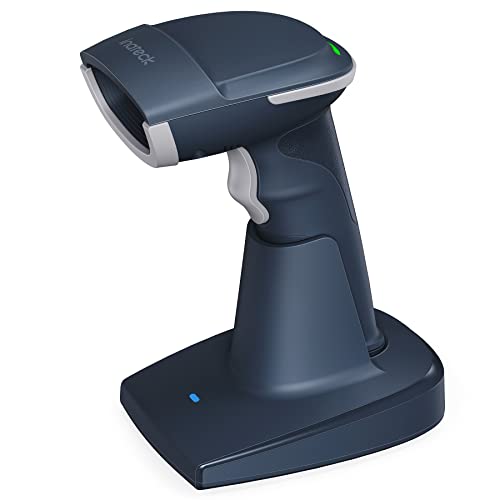
- Inateck Wireless QR Code Scanner with AI APP & SDK
- Direct Thermal Labels, 51mm x 25mm, 2000 Pack, Premium Coated
The capacity to store larger quantities of data is one of the primary advantages of 2D barcodes. This feature allows retailers to provide customers with detailed product information, promotional offers, and even links to online resources. This enhanced capability is particularly relevant in today's digital age, where customers often seek additional information before making a purchase.
Scanning Technology and Equipment
When it comes to scanning technology, 1D barcodes require laser scanners or basic image scanners, which are typically less expensive and easier to maintain. However, their limitations in data capacity may lead to inefficiencies, as multiple scans may be necessary to retrieve all required information.
On the other hand, 2D barcodes require advanced imaging scanners or smartphone cameras capable of interpreting complex patterns. While the initial investment in scanning equipment may be higher, the long-term benefits can outweigh these costs. Retailers can streamline checkout processes, reduce errors, and enhance customer engagement by offering a richer shopping experience.
Practical Applications for Retailers
Retailers can leverage both 1D and 2D barcodes to improve their efficiency. For high-volume items with simple data requirements, 1D barcodes remain effective. However, for products that require more detailed information, such as electronics or beauty products, 2D barcodes are ideal. Many retailers are now adopting a hybrid approach, utilising both barcode types depending on the product category.
Moreover, 2D barcodes can also be used for marketing purposes. By incorporating them into packaging or in-store signage, retailers can direct customers to websites, promotional content, or loyalty programmes. This creates an interactive experience that can enhance customer loyalty and drive sales.
Cost Considerations
From a cost perspective, 1D barcodes are generally cheaper to produce and implement, especially for retailers with limited budgets. However, the increasing accessibility of technology has made 2D barcodes more affordable. Retailers should weigh the initial costs against potential long-term savings gained through improved efficiency and customer satisfaction.
Ultimately, the choice between 1D and 2D barcodes depends on the specific needs of the retailer. Understanding the strengths and weaknesses of each type allows retailers to make informed decisions that align with their operational goals.