strategies for optimising barcode accuracy in logistics
In the ever-evolving world of logistics, the accuracy of barcode scanning is crucial for inventory management, order fulfilment, and operational efficiency. In 2026, as businesses continue to adapt to advanced technologies, ensuring barcode accuracy remains a top priority. This article outlines expert recommendations and practical strategies for optimising barcode accuracy in logistics.
1. Invest in Quality Barcode Scanners
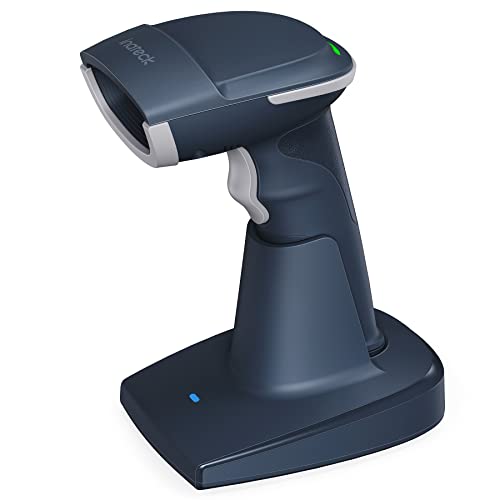
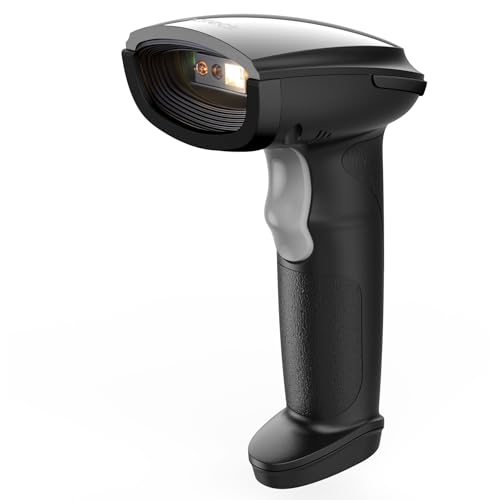
The first step in enhancing barcode accuracy is to use high-quality barcode scanners. Opt for scanners that are equipped with advanced imaging technology, as these devices can read various barcode formats and operate effectively in different environments. Consider handheld, fixed-position, or mobile scanners based on the specific needs of your warehouse or logistics centre. Regular maintenance and periodic calibration of scanning equipment will ensure long-term reliability.
2. Implement Barcode Verification Systems
Incorporating barcode verification systems can significantly improve accuracy. These systems check the readability of barcodes before they are scanned for inventory or shipment. By validating barcodes during the printing process, businesses can catch potential issues early. This proactive approach reduces errors associated with damaged or poorly printed barcodes.
3. Standardise Barcode Formats
Using standard barcode formats across your logistics operations helps avoid confusion and errors. Choose widely accepted formats such as UPC or EAN for retail products and Code 128 for shipping labels. Standardisation ensures that all stakeholders, from suppliers to distributors, can easily read and process the barcodes, minimising the risk of misidentification.
People Also Look For:
- Eyoyo Bluetooth 2D and 1D Barcode Scanner, Portable Wireless Mini Reader
- Handheld Label Maker, ABC Keyboard Printer with LCD Screen
- Bluetooth CCD Barcode Scanner - Handheld USB Wireless 1D Imager
- Direct Thermal Barcode Labels 50 x 40 mm - 1000 Labels
- USB Barcode Scanner with Intelligent Stand, 1D Reader
4. Train Staff Effectively
Human error can lead to significant discrepancies in barcode scanning. Providing comprehensive training for employees on the correct handling and scanning of barcodes is essential. Training should cover the importance of clean scanning surfaces, correct alignment of barcodes, and troubleshooting common issues. Ensure that new staff members receive this training as part of their onboarding process to maintain high standards from the outset.
5. Maintain a Clean and Organised Environment
Barcode scanning can be hindered by a cluttered or dirty environment. Regularly clean scanning equipment and ensure that barcode labels are free from dirt, dust, and other obstructions. Moreover, an organised workspace helps staff locate items quickly and scan barcodes without delay. Implementing a systematic storage method can further facilitate ease of access.
6. Use High-Quality Labels
The quality of the barcode labels themselves plays a significant role in overall accuracy. Use durable labels that can withstand the conditions of your logistics environment, whether it involves temperature fluctuations, moisture, or abrasion. Consider printing barcodes on weather-resistant materials for outdoor or refrigerated logistics. High-resolution printing is also crucial to ensure that the barcodes remain scannable over time.
7. Monitor and Analyse Performance
Regular monitoring and analysis of barcode scanning performance can identify trends and areas for improvement. Use data analytics tools to track scanning errors, such as missed scans or misreads, and investigate the underlying causes. This information can help you refine training programmes and make data-driven decisions regarding equipment upgrades or process changes.
8. Integrate with Inventory Management Systems
Integrating barcode scanning with your inventory management system can streamline operations and reduce errors. Ensure that your software is capable of real-time updates with every scan, so stock levels are always accurate. This integration will help you track items seamlessly from receipt to dispatch while maintaining a clear audit trail.
9. Regularly Test Barcode Scanners
Conducting regular tests on barcode scanners will help maintain their functionality. Set up a routine schedule for testing and include both random checks and systematic evaluations of scanner performance. Running diagnostic tools can reveal potential issues before they escalate, ensuring that your operations remain uninterrupted.